

How Vision 2030 Is Reshaping Saudi Logistics
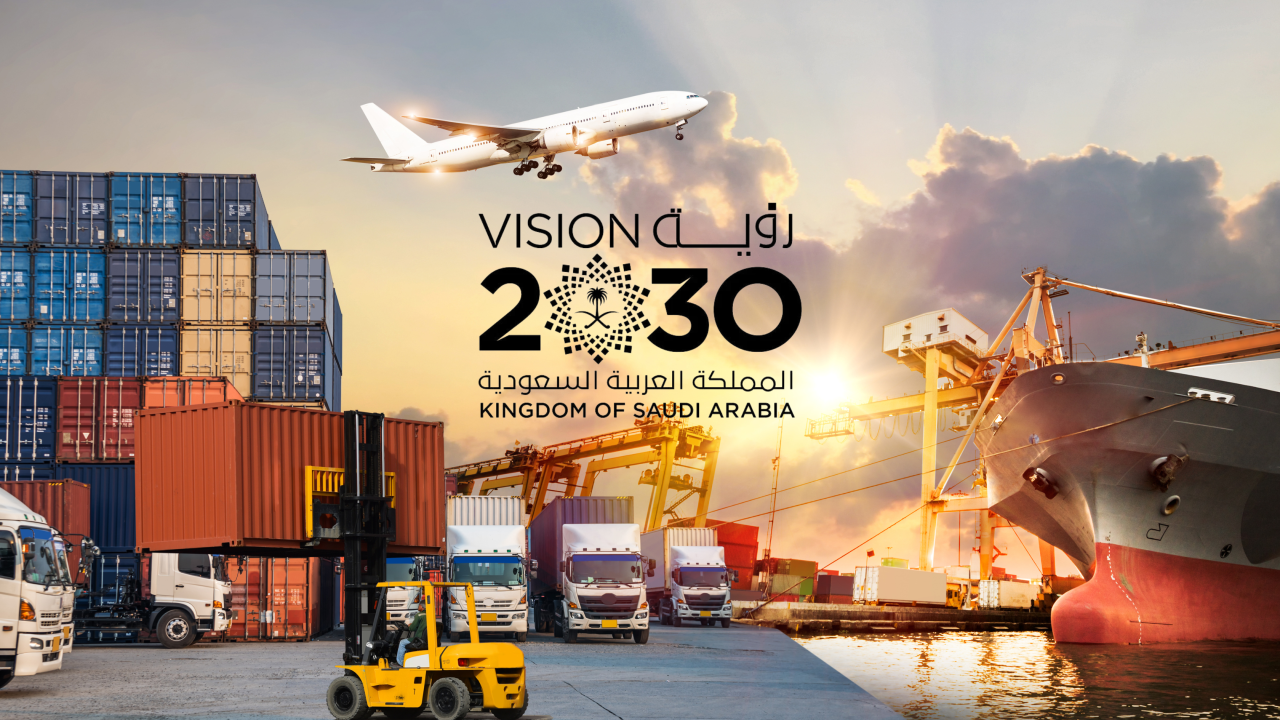
Saudi Arabia is in the middle of the most ambitious economic transformation in its history. Vision 2030 has set targets that depend on world-class logistics infrastructure - and the investment is flowing in every direction. For businesses operating in or trading with the Kingdom, the implications are significant.
The Investment Story
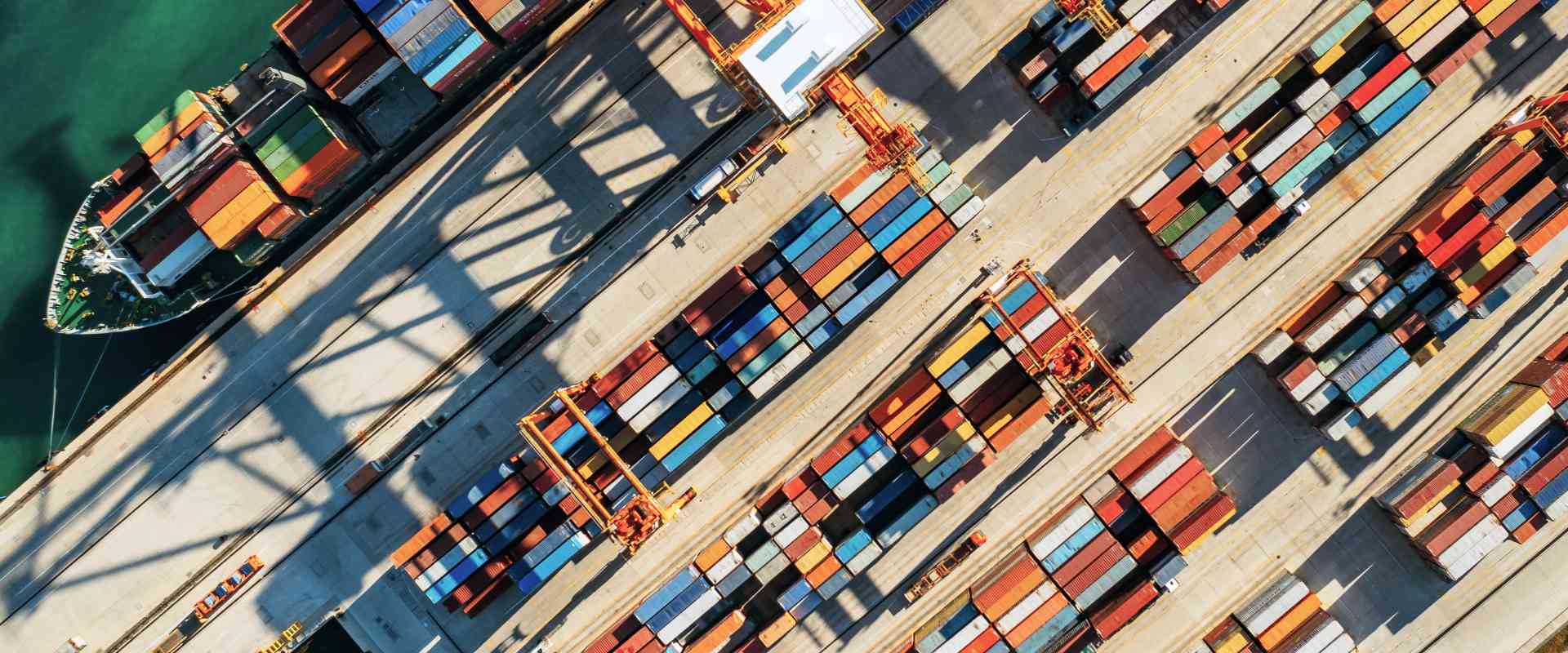
Saudi Arabia is positioning itself as a global logistics hub between Asia, Europe, and Africa. Major investments are underway across ports, rail networks, airports, and dry ports. King Abdulaziz Port in Dammam and Jeddah Islamic Port have expanded capacity significantly. The SAR rail corridor is reshaping how bulk and containerized cargo moves between Riyadh, Dammam, and beyond. New economic zones are being launched to attract logistics-intensive industries.
The Localization Push
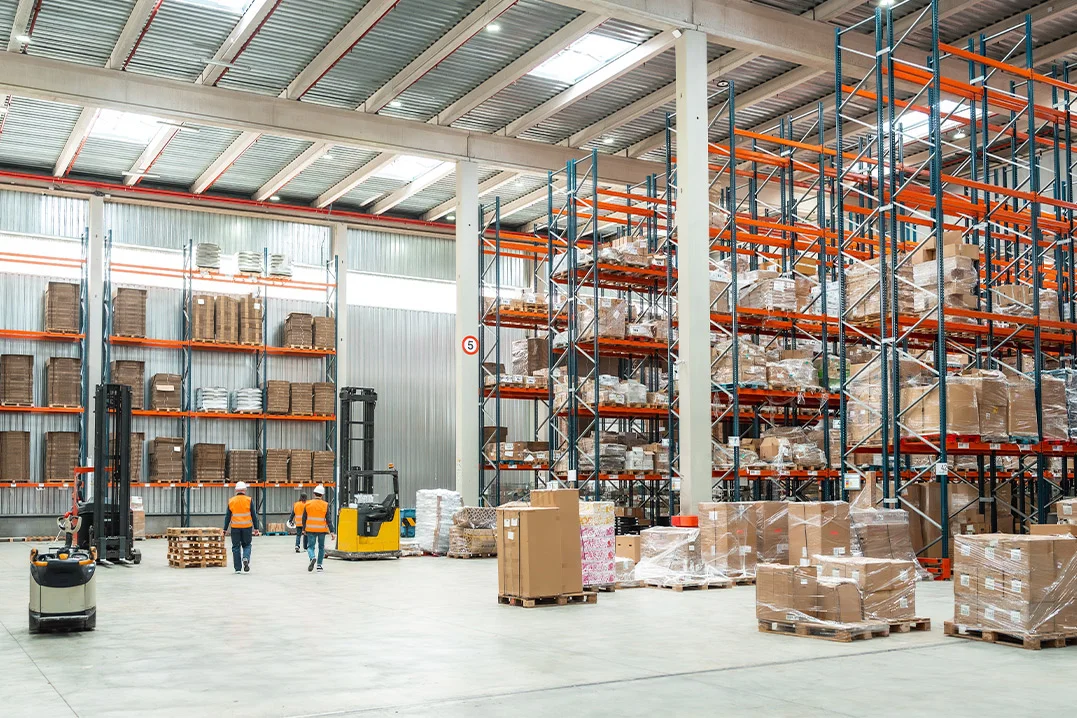
Vision 2030 prioritizes building domestic capability across multiple sectors - including defense and aerospace, where Saudi is targeting 50% local content by 2030. That's driving real demand for ITAR-compliant logistics, secure warehousing, and specialized handling capabilities inside the Kingdom. Companies that can deliver these services locally are filling a structural gap in the market.
The Defense Spending Wave
The Kingdom has allocated approximately $78 billion for defense spending in 2025, up from $75.8 billion in 2024. This is creating sustained demand for specialized logistics services across military procurement, equipment deployment, and infrastructure projects. Few logistics providers in the Kingdom currently hold the certifications to serve this sector at scale.
The E-commerce Boom
Saudi Arabia has one of the fastest-growing e-commerce markets in the region. That's reshaping last-mile expectations, driving demand for nationwide fulfillment capacity, and pushing 3PL providers to invest in technology and infrastructure that did not exist in the Kingdom five years ago.
The Bottom Line
The next decade will define which logistics companies become the long-term partners of Vision 2030 and which get left behind. GES Logistics has been building infrastructure, capabilities, and certifications specifically for this moment - including the launch of MegaHub Riyadh in 2024 and our ITAR-registered defense logistics capabilities.