

Choosing the Right Warehousing Model for Your Business
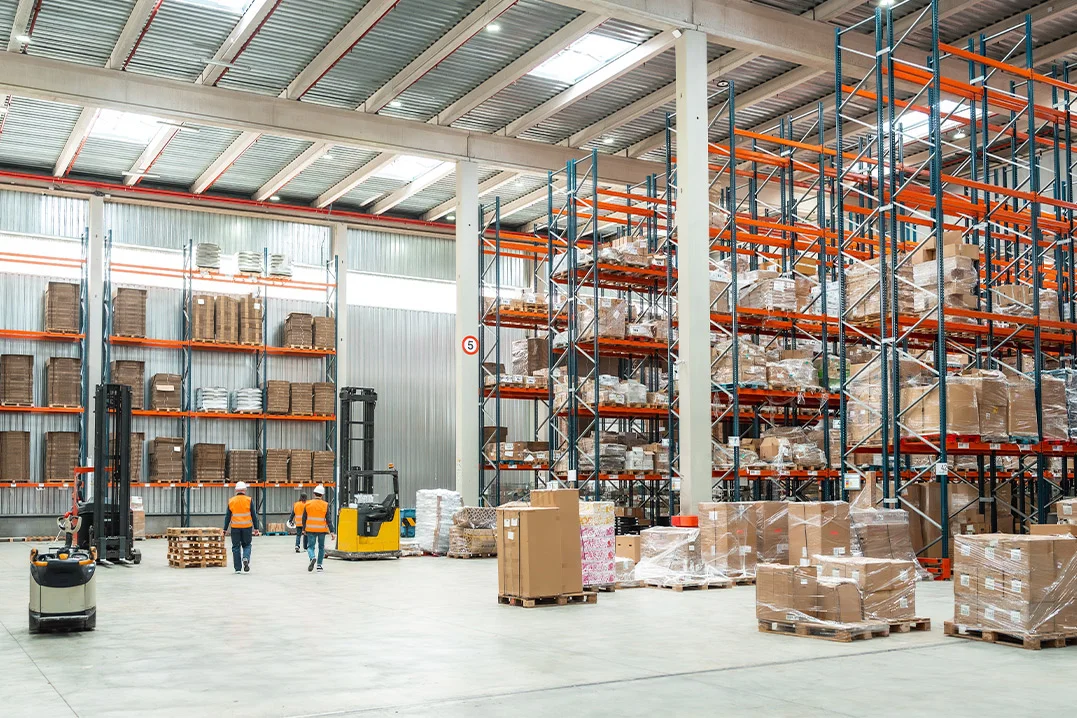
The warehousing decision looks simple until you start digging into it. Bonded or non-bonded. In-port or inland. Dedicated space or shared 3PL. Ambient or temperature-controlled. Pick wrong, and you'll be paying for capacity you don't use or scrambling to find space you don't have.
Start with Your Inventory Profile
How fast does your stock turn? High-turn FMCG products benefit from cross-docking and minimal storage time. Slow-moving industrial parts need long-term storage with low cost per pallet. Pharma needs validated temperature control. Defense and dual-use goods need bonded, ITAR-compliant facilities.
Bonded vs Non-Bonded
Bonded warehouses suspend customs duties until goods enter the local market. They're essential for re-export, temporary admission, and cargo awaiting clearance. Non-bonded warehouses are for goods already cleared for the domestic market. Many businesses need both at different stages.
In-Port vs Inland
Port-adjacent facilities save inland trucking cost and reduce dwell time at port. They're ideal for cargo with regular inbound and outbound flow. Inland facilities like our MegaHub in Riyadh make sense for goods feeding national distribution networks.
Dedicated vs 3PL
Dedicated space gives you full control, branded operations, and customized SLAs. It costs more and locks in capacity. 3PL gives you flexibility, scalability, and a shared cost base. It's typically the right starting point for businesses scaling into a new market.
The Honest Answer
There's no single right model. The best warehousing decision is the one that matches your actual operations, your growth plans, and your risk profile. GES Logistics operates the full range across the Kingdom and works with clients to figure out the right mix.