

Why Asset-Backed Logistics Matters More Than Ever
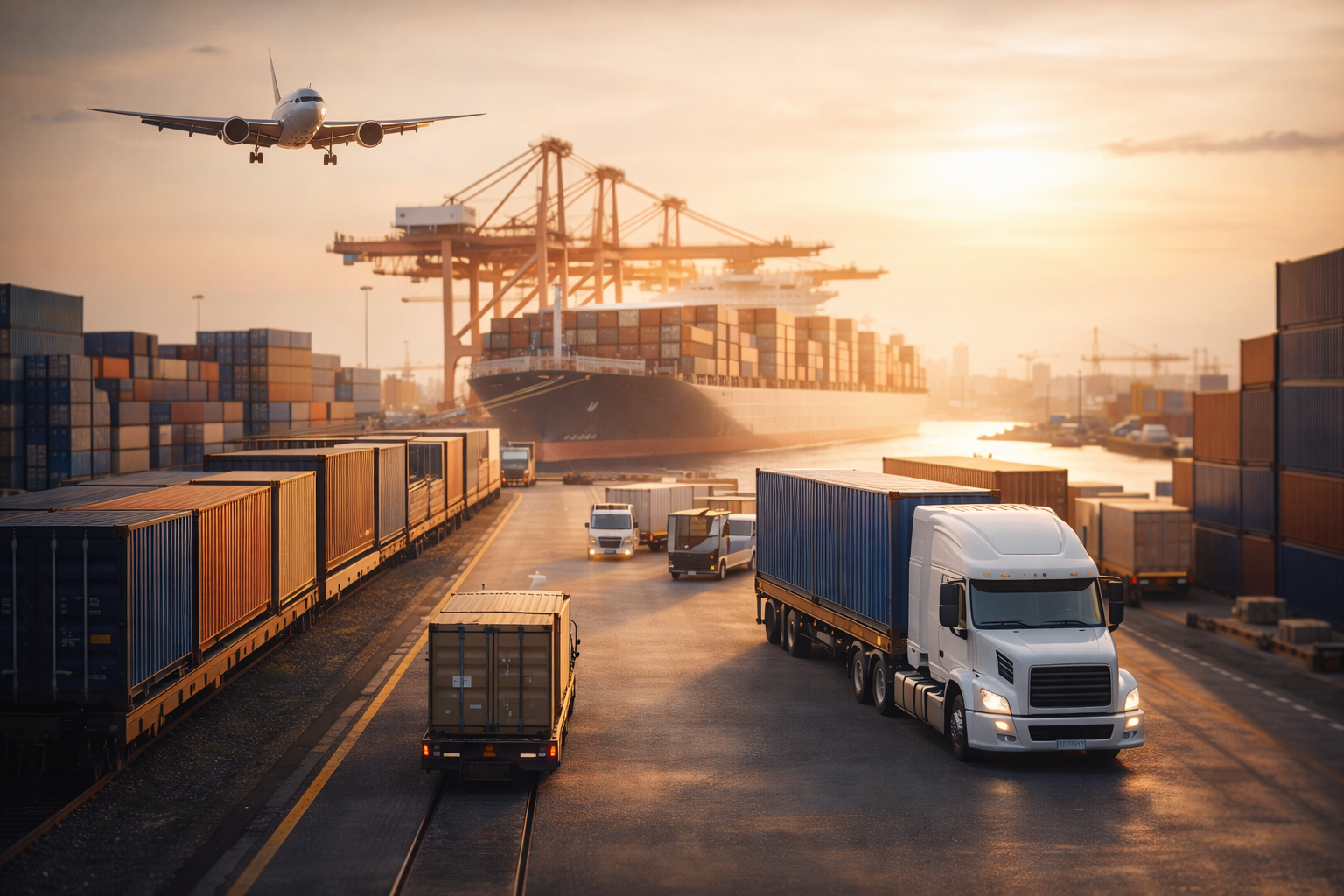
Most freight forwarders are asset-light. They book carriers, arrange trucking, broker warehouse space, and coordinate services they don't actually own. It's a flexible model that works well in stable markets. In volatile markets, it shows its limits.
The Asset-Light Tradeoff
When carriers tighten capacity, asset-light forwarders compete with everyone else for the same space. When warehouses fill up, they're looking for whatever they can find. When trucks are short, they're paying spot rates. Their service quality is only as good as the third parties they happen to be working with that month.
What Owning Infrastructure Actually Changes
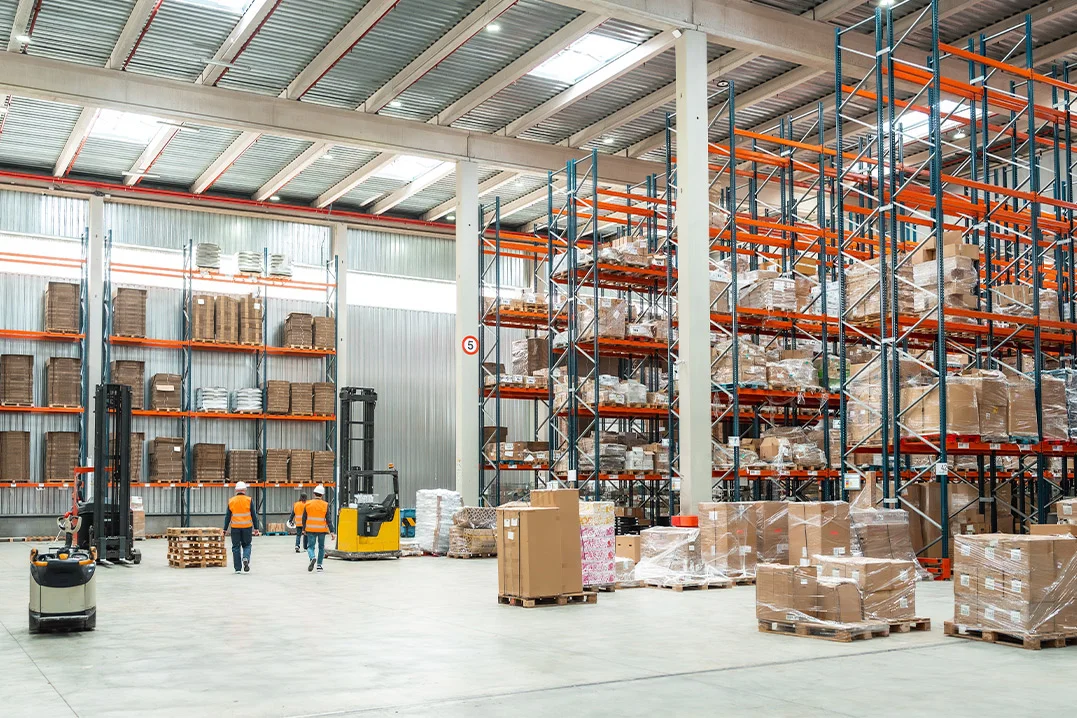
A logistics company that owns warehouses, terminals, and fleet operates with a fundamentally different cost base and service profile. Capacity is guaranteed, not negotiated. Standards are consistent, not dependent on a subcontractor. Investment in technology, training, and processes is real, not a third-party promise.
The Saudi Context
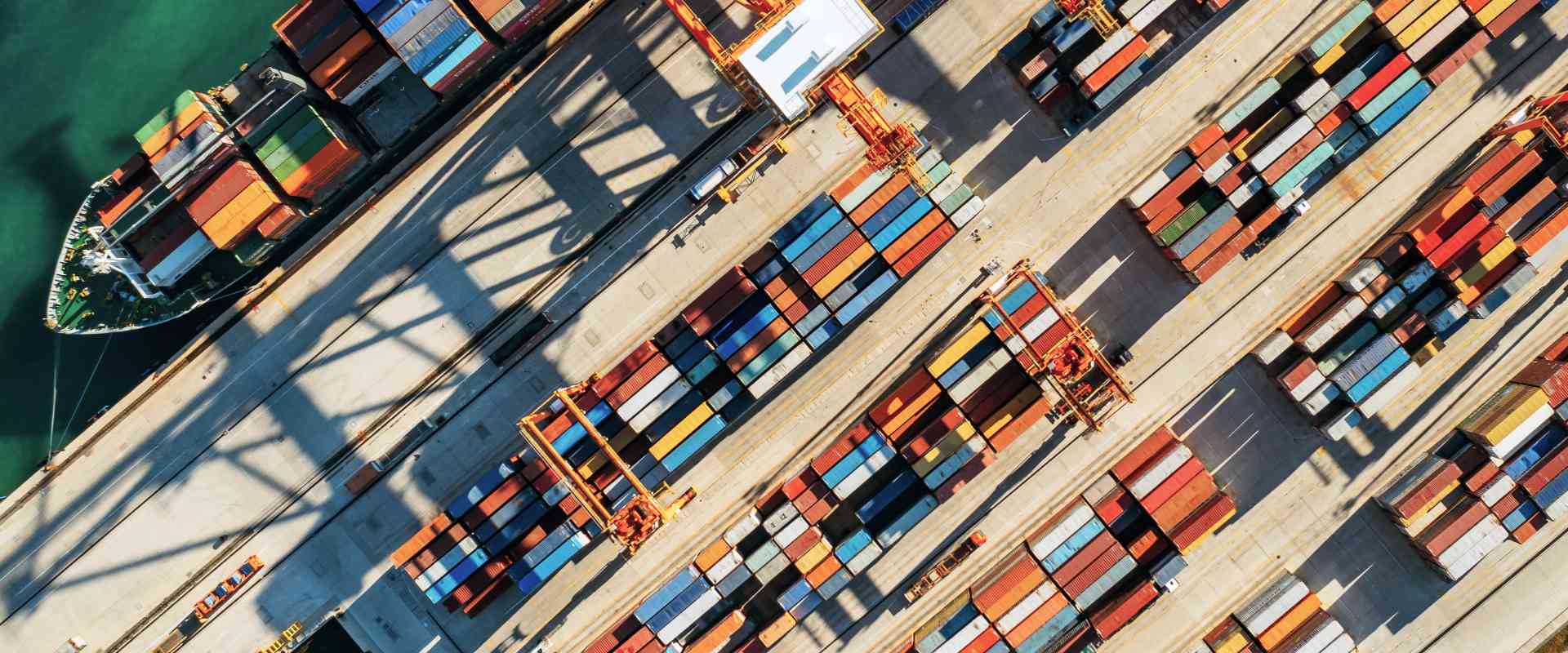
Saudi Arabia has seen rapid growth in logistics infrastructure - new ports, expanded warehouses, modern fleets. But ownership of that infrastructure is concentrated among a smaller number of players. For businesses operating in the Kingdom, working with an asset-backed partner means accessing real capacity rather than competing for it.
When Asset-Backed Matters Most
Bulk volumes during peak season. Time-critical project cargo. Regulated industries that need specific certifications baked into the facility itself. Defense and dual-use cargo requiring ITAR-compliant handling. Long-term contracts where consistency over years matters more than spot-rate flexibility.
The Honest Picture
Asset-light has its place. For straightforward shipments in stable lanes, it's often the right choice. But for businesses with complex needs, large volumes, regulatory requirements, or long-term strategic supply chain commitments, working with a partner that genuinely owns its infrastructure makes a material difference.
GES Logistics owns and operates MegaHub Riyadh, logistics terminals at Jeddah Islamic Port and King Abdul Aziz Port in Dammam, and over 1,000 trucks across our owned and network fleet. We invest in infrastructure because we believe it is the only way to deliver the service we promise.